
When it comes to maintaining your vehicle, the debate between Suzuki OEM vs. Aftermarket parts is one of the most common dilemmas faced by car owners. Whether you are performing a routine oil change on your Suzuki Ciaz or repairing a complex engine component, the parts you choose will determine your car’s performance, safety, and longevity.
In this comprehensive guide, we’ll break down everything you need to know about Suzuki spare parts, why authenticity matters, and how to successfully buy Suzuki spare parts online in 2026.
Understanding Suzuki Spare Parts: OEM vs. Aftermarket
Before diving into the specifics, it’s essential to understand the terminology.
What are Suzuki OEM Parts?
OEM stands for Original Equipment Manufacturer. These parts are produced by Suzuki (or their certified partners) using the exact same blueprints and materials as the parts that came with your car from the factory. If you replace a brake pad with an OEM version, it is identical to the one installed during assembly.
What are Aftermarket Parts?
Aftermarket parts are manufactured by third-party companies. While many are designed to function like the original, they are not made by Suzuki. These can range from high-quality performance upgrades (like Bosch or Denso) to budget-friendly alternatives of varying quality.
Why Choose Suzuki OEM Spare Parts?
For most owners, especially those with newer models like the Suzuki Ciaz, OEM is the gold standard. Here is why:
1. Perfect Fit and Compatibility
Since OEM parts are built to factory specifications, there is zero guesswork. They fit perfectly into the existing housing, bolts, and electronic sensors of your vehicle.
2. Guaranteed Quality and Safety
Suzuki subjects its genuine parts to rigorous testing. For safety-critical components—like airbags, ABS sensors, or brake discs—OEM is non-negotiable. Using a “budget” aftermarket brake pad might save you $20 today, but it could cost you a much longer stopping distance in an emergency.
3. Warranty Protection
If your Suzuki is still under warranty, using non-genuine parts for major repairs can sometimes void your coverage. OEM parts typically come with their own manufacturer’s warranty, giving you peace of mind.
4. Resale Value
A vehicle with a documented history of using Suzuki genuine parts always fetches a higher price on the second-hand market. It tells the buyer that the owner didn’t “cut corners” on maintenance.
When Does Aftermarket Make Sense?
While OEM is often better, aftermarket parts have their place:
- Budget Constraints: For older vehicles where the repair cost might exceed the car’s value.
- Availability: If an OEM part is backordered for weeks, a high-quality aftermarket alternative can get you back on the road faster.
- Performance Upgrades: Some aftermarket brands specialize in “heavy-duty” versions of parts (like shocks or filters) that may actually outperform the stock version in specific conditions.
Spotlight: Suzuki Ciaz Spare Parts
The Suzuki Ciaz is a premium sedan known for its elegance and fuel efficiency. To keep it running like a “Symphony of Elegance,” specific attention must be paid to its unique components.
Common Suzuki Ciaz Maintenance Parts
If you own a Ciaz, you will eventually need to source these common spares:
- Air and Oil Filters: Vital for maintaining that famous Suzuki fuel economy.
- Suspension Components: The Ciaz provides a smooth ride; replacing worn-out shock absorbers with genuine units ensures that comfort remains.
- Brake Pads and Shoes: Crucial for the stop-and-go traffic typical for sedan drivers.
- Body Parts: Front bumpers and side mirrors are frequently replaced due to minor city scrapes.
How to Buy Suzuki Spare Parts Online
In 2026, the convenience of e-commerce has revolutionized how we maintain our cars. You no longer have to spend hours driving from one local scrap yard to another. However, buying Suzuki spare parts online requires a bit of “digital street smarts.”
1. Use Your VIN (Vehicle Identification Number)
The VIN is your car’s DNA. Most reputable online retailers allow you to search by VIN to ensure the part you are buying is 100% compatible with your specific model year and engine type.
2. Verify the Part Number
Always cross-reference the 10-to-12-digit Suzuki OEM part number. You can find this in your owner’s manual or printed on the old part you are replacing.
3. Look for the Hologram
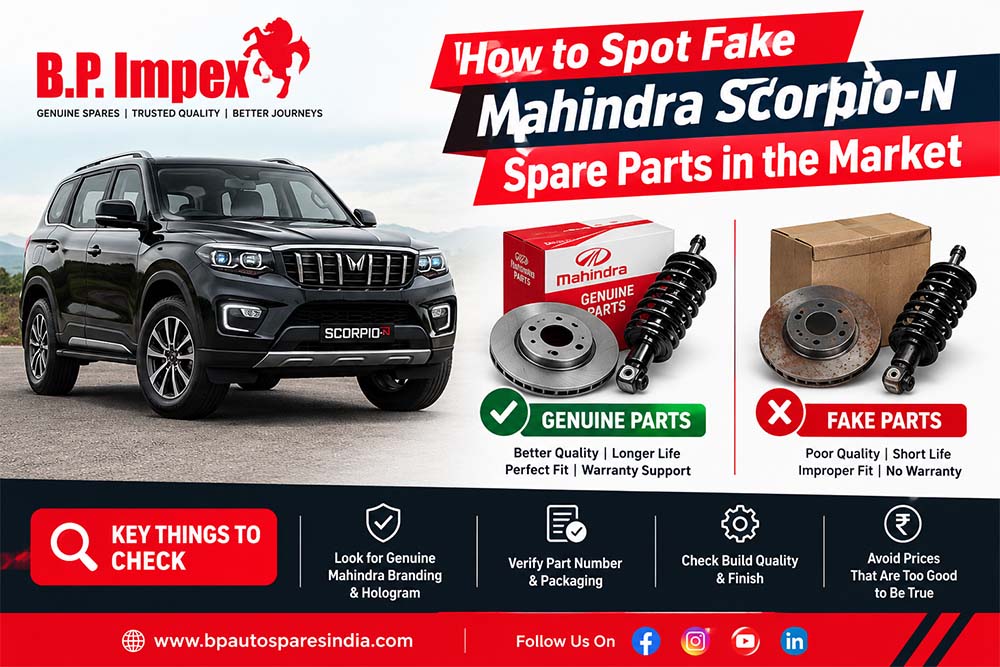
Authentic Suzuki packaging features a specific security hologram and high-quality branding. If you receive a part in a plain cardboard box with a photocopied label, it’s likely a counterfeit.
4. Check Seller Reviews
Stick to established distributors with a history of verified customer feedback. Platforms that offer a clear return policy (7–14 days) are safer than “final sale” auction sites.
Maintenance Schedule for Suzuki Owners
| Service Interval | Key Parts to Inspect/Replace |
| 10,000 km | Engine Oil, Oil Filter, Gasket |
| 20,000 km | Air Filter (Clean), Brake Fluid |
| 40,000 km | Spark Plugs, Fuel Filter, Air Filter (Replace) |
| Every 2 Years | AC Gas and Cabin Filter |
Conclusion: The Final Verdict
Choosing between OEM and Aftermarket depends on your car’s age and your budget, but for the Suzuki Ciaz and newer models, OEM Suzuki spare parts are almost always the smarter long-term investment. They ensure safety, maintain your warranty, and keep your car’s performance at factory levels.
Buying online has never been easier, provided you stay vigilant about part numbers and seller credibility. Your Suzuki is a precision machine—treat it with the quality parts it deserves.



Leave a Reply