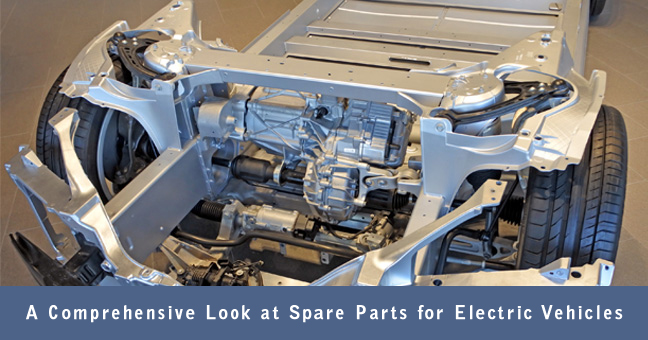
Introduction: The Shift Toward Electric Vehicles
The global automotive industry is undergoing a major transformation as electric vehicles (EVs) gain widespread adoption. Governments, manufacturers, and consumers are increasingly prioritizing sustainability, lower emissions, and reduced operating costs. As this transition accelerates, the demand for reliable and high-quality spare parts for electric vehicles is growing rapidly.
For established auto parts suppliers like BP Auto Spares India, understanding EV spare parts is essential to serving both current internal combustion engine (ICE) vehicles and the next generation of electric mobility. This blog provides a comprehensive overview of electric vehicle spare parts, how they differ from conventional parts, and what vehicle owners and businesses need to know.
Understanding Electric Vehicles and Their Core Components
Electric vehicles operate on a fundamentally different drivetrain compared to petrol or diesel vehicles. Instead of engines, EVs rely on electric motors powered by battery packs. This difference significantly changes the type, quantity, and maintenance needs of spare parts.
Key EV components include:
- High-voltage battery packs
- Electric traction motors
- Power electronics controllers
- Onboard chargers
- Thermal management systems
While EVs eliminate many traditional mechanical components, they introduce advanced electrical and electronic systems that require specialized spare parts.
How EV Spare Parts Differ from Traditional Auto Parts
One of the biggest misconceptions is that EVs do not need spare parts. In reality, they require fewer mechanical parts, but the parts they do use are often more advanced and technology-driven.
Key differences include:
- No engine-related parts such as pistons, fuel injectors, or exhaust systems
- Reduced wear components, resulting in fewer replacements over time
- Higher reliance on electronic modules and sensors
- Precision engineering for safety-critical components like batteries and inverters
This shift means spare parts suppliers must focus more on quality, compatibility, and technical accuracy.
Essential Spare Parts for Electric Vehicles
Battery Packs and Battery Modules
The battery is the most critical and expensive component of an electric vehicle. EV batteries are designed for long life, but individual modules, cooling plates, connectors, and battery management systems may require replacement over time.
Proper sourcing of genuine and certified battery-related spare parts is vital for:
- Vehicle safety
- Performance consistency
- Long-term durability
Electric Motors and Drive Units
Electric motors replace traditional engines in EVs. While these motors are highly reliable, components such as bearings, cooling systems, and control units may need servicing or replacement.
Drive units often integrate:
- Motor
- Transmission
- Power electronics
This integration makes it essential to use high-quality spare parts that match manufacturer specifications.
Power Electronics and Control Units
Power electronics are the brain of an electric vehicle. These include:
- Inverters
- DC-DC converters
- Motor controllers
These parts regulate power flow between the battery and motor. Faulty or low-quality replacements can lead to reduced efficiency or system failure, making genuine spare parts a necessity.
Thermal Management System Components
EVs rely on advanced thermal management to maintain optimal battery and motor temperatures. Spare parts in this category include:
- Coolant pumps
- Heat exchangers
- Sensors and valves
Efficient thermal management directly impacts battery life and vehicle range.
Braking Systems and Suspension Parts
Although EVs use regenerative braking, traditional braking systems are still present. Brake pads, discs, suspension components, and steering parts remain essential spare parts categories.
Interestingly, regenerative braking reduces wear on brake pads, extending their service life compared to conventional vehicles.
Common Wear-and-Tear Parts in Electric Vehicles
Even though EVs have fewer moving parts, certain components still experience regular wear and require periodic replacement:
- Tires (often wear faster due to instant torque)
- Cabin air filters
- Wiper blades
- Suspension bushings
- Bearings and seals
Suppliers like BP Auto Spares India continue to play a vital role in providing these high-demand components.
The Role of Genuine Spare Parts in EV Safety and Performance
Electric vehicles operate at high voltages, making safety a top priority. Using genuine and tested spare parts ensures:
- Electrical insulation integrity
- Fire and thermal risk reduction
- Software and hardware compatibility
As seen in conventional vehicles, the importance of Suzuki Spare Parts in maintaining vehicle reliability applies equally to electric and hybrid models. Authentic components ensure optimal performance and protect long-term vehicle value.
Electric Vehicles and the Suzuki Connection
Suzuki is actively expanding its presence in the electric and hybrid vehicle segment. While Suzuki has built a strong reputation for durability in conventional vehicles, its EV and hybrid models continue to rely on the same principles of quality and precision.
For customers seeking Suzuki Spare Parts, trusted suppliers ensure:
- Correct fitment
- Manufacturer-approved specifications
- Long-term reliability
As the market evolves, demand for Suzuki EV-compatible spare parts is expected to rise steadily.
Buying EV Spare Parts Online: What to Consider
Digital platforms are transforming the auto spare parts industry. Vehicle owners and workshops increasingly prefer online purchasing due to convenience and access to a wider inventory.
When planning to Buy Suzuki Spare Parts Online, buyers should evaluate:
- Product authenticity and certification
- Clear compatibility information
- Reliable logistics and packaging
- After-sales support
Reputed suppliers like BP Auto Spares India provide transparency and expertise, reducing the risks associated with incorrect or counterfeit parts.
Challenges in the EV Spare Parts Market
Despite rapid growth, the EV spare parts ecosystem faces several challenges:
Limited Availability
Many EV components are model-specific and not yet widely stocked in aftermarket channels.
Higher Technical Complexity
Advanced electronics require skilled diagnostics and proper installation.
Counterfeit Risks
As demand increases, counterfeit EV parts pose safety and performance risks, making trusted suppliers essential.
The Future of Electric Vehicle Spare Parts
The EV spare parts market is expected to expand significantly over the next decade. Key trends include:
- Increased localization of EV component manufacturing
- Growth in online spare parts platforms
- Higher demand for certified aftermarket parts
- Integration of software updates with physical components
Suppliers who adapt early will be well-positioned to serve both traditional and electric vehicle owners.
Why BP Auto Spares India Matters in the EV Era
BP Auto Spares India has built its reputation on quality, reliability, and a deep understanding of automotive spare parts. As the industry transitions toward electric mobility, the company continues to support customers with:
- Genuine and compatible spare parts
- Expertise across multiple vehicle brands
- Trusted sourcing and supply chain practices
Whether serving conventional vehicles or preparing for EV demand, BP Auto Spares India remains a dependable partner.
Conclusion
Electric vehicles are redefining how the automotive industry views spare parts. While EVs reduce mechanical complexity, they introduce advanced electrical systems that demand precision, quality, and expertise. From batteries and power electronics to suspension and braking systems, spare parts remain a critical component of vehicle ownership.
For customers seeking dependable solutions—whether for electric models or trusted brands like Suzuki—choosing authentic components and reliable suppliers is essential. As the market evolves, businesses and vehicle owners who stay informed will be best equipped to navigate the future of electric mobility.







Leave a Reply