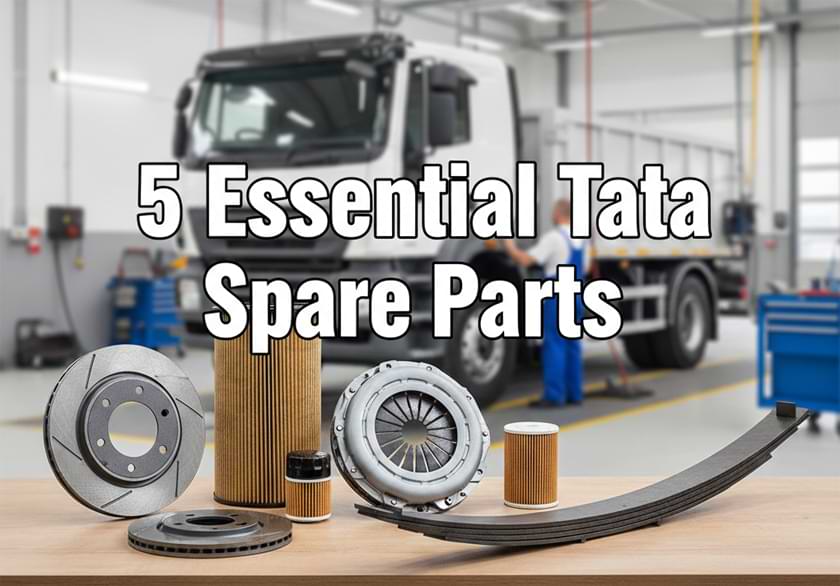
In the global logistics and transportation industry, the name Tata Motors is synonymous with resilience, power, and longevity. Whether it is the nimble Tata Ace navigating narrow city streets or the massive Tata Prima hauling heavy loads across highways, these vehicles are the backbone of commerce. However, even the most rugged machines require meticulous care. For fleet owners, the difference between a profitable month and a logistical nightmare often comes down to one thing: the quality of the components used during maintenance.+1
Maintaining a fleet is a marathon, not a sprint. To ensure your vehicles stay on the road for hundreds of thousands of kilometers, you must be proactive. Sourcing through a comprehensive Tata Spare Parts Catalog is the first step in ensuring that your mechanics have access to the exact specifications required for your specific models.
In this deep dive, we will explore the five essential categories of spare parts that every fleet manager must keep in stock, the science behind why genuine quality matters, and how to manage your maintenance budget effectively.
1. The Foundation of Safety: Advanced Braking Components
When a vehicle is carrying several tons of cargo, the ability to stop is far more critical than the ability to go. Tata commercial vehicles utilize sophisticated air brake systems and hydraulic setups that are engineered to handle extreme heat and pressure.
Brake Linings and Pads
The friction material on your brake pads and linings is designed to wear down so that your more expensive drums and discs don’t have to. However, using low-quality friction materials can lead to “brake fade,” where the brakes lose effectiveness during long descents. For a fleet, this is a massive liability. High-quality linings ensure consistent stopping power regardless of the load or weather conditions.+1
Brake Chambers and Valves
In air-braked vehicles, the valves are the brain of the system. Moisture and oil contamination in the air lines can cause these valves to perish or clog. Replacing these with genuine-grade spares ensures that the timing of the brake application is precise, preventing jackknifing or uneven braking across the axles.
2. Engine Health: The Vital Role of Filtration
An engine is only as healthy as the fluids and air flowing through it. In regions like India, where dust and fuel impurities are common challenges, the filtration system acts as the primary defense mechanism for your Tata engine.
Air Filtration
A clogged air filter forces the engine to work harder, sucking in more fuel to compensate for the lack of oxygen. This not only increases your fuel bill—the largest expense for any fleet—but can also lead to “duster” engines, where fine particles bypass the filter and sandblast the cylinder walls.
Fuel and Oil Filters
Modern Common Rail Direct Injection (CRDI) engines in Tata trucks have incredibly tight tolerances. Even a microscopic speck of dirt in the fuel can ruin an injector. By utilizing the Tata Spare Parts designed specifically for these engines, you ensure that the micron-rating of the filter matches the sensitivity of the fuel system. Similarly, high-quality oil filters keep the lubricant clean, extending the intervals between major engine overhauls.+1
3. Power Delivery: Clutch and Drivetrain Reliability
The clutch is the most abused component in a commercial vehicle, especially in “stop-and-go” city traffic or hilly terrain. A failing clutch doesn’t just stop the truck; it can leave a driver stranded in a dangerous location, requiring expensive towing services.
Clutch Plates and Pressure Plates
A slipping clutch generates immense heat, which can warp the flywheel. By replacing the clutch assembly at the first sign of slippage (usually a high-revving engine with no increase in speed), you save the flywheel and the gearbox from unnecessary stress.
For fleet managers looking to balance their books, it is a smart move to Buy Tata Spare Parts Price List from a trusted supplier like BP Auto Spares India. This allows you to forecast maintenance costs for the entire quarter and avoid the “emergency purchase” markup that often happens when a truck breaks down unexpectedly.
4. The Muscle: Suspension and Steering Systems
Tata vehicles are famous for their “load-carrying” capacity, but that load is entirely supported by the suspension. Over time, the constant vibration and weight lead to metal fatigue in leaf springs and wear in the steering joints.
Leaf Springs and Shock Absorbers
Broken leaf springs are a common sight on highways, often caused by overloading or poor-quality replacement steel. Genuine suspension parts are tempered to provide the right balance of flexibility and strength. Furthermore, functioning shock absorbers are not just about driver comfort; they keep the tires in contact with the road, reducing tire wear and improving braking efficiency.
Tie-Rod Ends and Drag Links
Steering play is a major safety hazard. If a driver has to “saw” the steering wheel to keep the truck straight, the tie-rod ends are likely worn. Replacing these components ensures the vehicle tracks straight, which significantly reduces the “scrubbing” of tires, saving you thousands in rubber costs over the year.
5. The Nervous System: Electrical and Sensors
As Tata Motors transitions toward BS6 (Euro 6) standards and beyond, the mechanical truck has become a computer on wheels. The electrical system is now just as vital as the mechanical one.
Alternators and Starter Motors
For a fleet, time is money. A truck that won’t start in the morning is a lost day of revenue. The starter motor must be robust enough to handle dozens of “starts” a day, and the alternator must keep the battery charged while powering headlights, GPS trackers, and cabin electronics.
Sensors (EGR, MAF, and NOx)
Modern Tata trucks use sensors to monitor exhaust emissions and engine timing. A single faulty sensor can trigger “Limp Home Mode,” where the engine’s power is drastically cut to protect it. Keeping a small inventory of critical sensors can mean the difference between a 15-minute roadside fix and a 3-day workshop stay.
Strategic Sourcing: Why BP Auto Spares India?
When managing a fleet, where you buy is as important as what you buy. BP Auto Spares India provides a specialized platform tailored for the needs of Tata vehicle owners.
Why Use a Dedicated Catalog?
Searching for parts by vehicle model can be confusing. A dedicated Tata Spare Parts Catalog allows you to search by part number or engine type, ensuring 100% compatibility. This eliminates the “wrong part” syndrome that often plagues fleet workshops, leading to wasted time and frustrated mechanics.
Price Transparency
The ability to Buy Tata Spare Parts Price List access or see transparent pricing online helps in creating accurate “Cost Per Kilometer” (CPK) reports. In the logistics business, knowing your CPK is the only way to ensure your freight rates are actually making you a profit.
The Long-Term Benefit of Genuine Maintenance
There is a common temptation to use “white-box” or unbranded parts to save 20% on the initial purchase. However, the math rarely works out in the long run.
- Reduced Frequency of Repair: A genuine water pump might last 200,000 km, while a cheap one might fail at 50,000 km. You end up paying for labor four times instead of once.
- Warranty Protection: Using verified Tata Spare Parts ensures that you don’t void any existing manufacturer warranties on the engine or transmission.
- Resale Value: When it comes time to cycle your fleet and sell your old trucks, a documented history of using high-quality parts significantly increases the resale price.
Conclusion
Keeping a Tata fleet on the road requires more than just a good driver; it requires a commitment to quality. By focusing on the five pillars of maintenance—Brakes, Filtration, Drivetrain, Suspension, and Electricals—you create a “bulletproof” fleet that can handle the rigors of the road.
Don’t wait for a breakdown to start your search. Use professional resources to understand your vehicle’s needs, keep your inventory stocked with essentials, and always prioritize components that meet the rigorous standards of Tata Motors.



Leave a Reply